
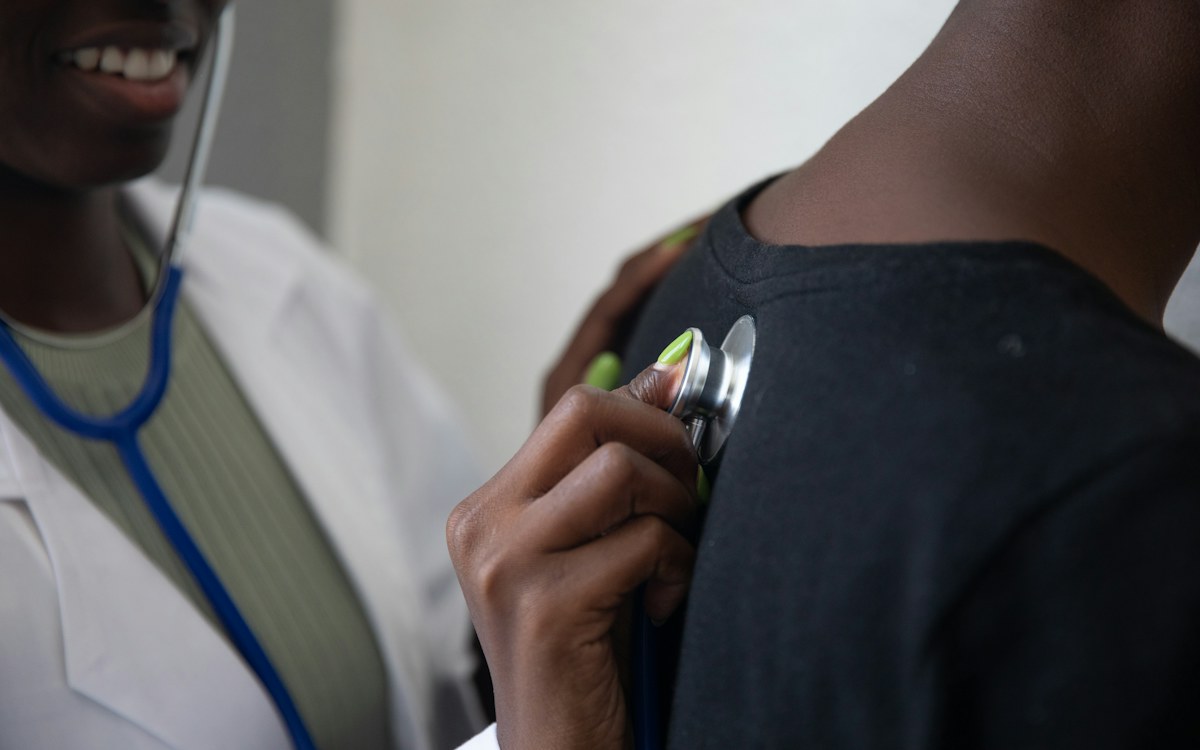
Provincial health departments have deployed a fleet of forty solar-equipped mobile maternal and neonatal clinics to underserved rural districts where expectant mothers previously traveled hours to reach basic obstetric facilities. Each custom-fitted van carries portable ultrasound scanners, cold-chain vaccine storage, hemoglobin analyzers, and sterile delivery kits staffed by a lady health visitor, a certified midwife, and a community nurse.
Program coordinators reported that the outreach vans follow published weekly village schedules coordinated with local Lady Health Workers so women in remote union councils can attend routine antenatal checkups without incurring transport costs. Early screening for gestational hypertension, severe anemia, and high-risk pregnancies allows clinicians to arrange timely referrals to district headquarter hospitals before emergencies develop.
During the first quarter of field operations, mobile teams recorded more than eighteen thousand antenatal consultations and distributed iron-folate supplements along with postnatal nutrition counseling. Public health specialists emphasized that consistent third-trimester monitoring and tetanus immunization significantly reduce preventable maternal complications across flood-affected riverine belts.
Each vehicle links via cellular tablet to a central maternal registry, enabling obstetricians at tertiary teaching hospitals to review ultrasound images and blood-pressure trends remotely. When complex cases require surgical delivery, ambulance dispatchers at the nearest tehsil hospital receive advance patient charts and blood-group records before the mother arrives.
Local women’s community groups have partnered with clinic crews to host open awareness sessions on clean birth practices, exclusive breastfeeding, and early childhood immunization schedules. Health planners stated that twelve additional mobile units are under procurement to expand coverage into mountainous northern valleys before winter snowfall isolates road corridors.
Independent nutritionists evaluating the pilot noted that solar refrigeration keeps oxytocin and childhood vaccines within strict two-to-eight-degree thresholds even during summer grid outages across southern Sindh and southern Punjab.
District commissioners have also established grievance hotlines and community feedback boards at Union Council offices so rural households can verify clinic visit schedules, report medicine shortages, and request follow-up home visits for postpartum mothers and newborns.