

Federal and provincial education directorates have begun deploying a unified digital literacy curriculum across one thousand two hundred public secondary schools, marking the largest classroom technology update since the national curriculum harmonization effort began. Designed for grades six through ten, the syllabus moves beyond basic keyboarding and word processing to introduce structured problem-solving, spreadsheet analysis, online safety, and introductory algorithmic thinking.
Curriculum specialists explained that prior computer science electives often relied on memorized definitions because school labs lacked consistent software environments and teacher training guides. To eliminate those bottlenecks, every participating institution is receiving offline-capable interactive lesson packs alongside bilingual teacher handbooks written in both English and Urdu so concepts remain accessible across diverse districts.
More than three thousand five hundred subject instructors completed intensive two-week practicums over the summer break, learning how to run project-based classroom exercises even when internet bandwidth fluctuates. Trainers demonstrated how students can analyze local rainfall datasets, build household budget trackers, and verify source credibility on public web portals without requiring high-end hardware.
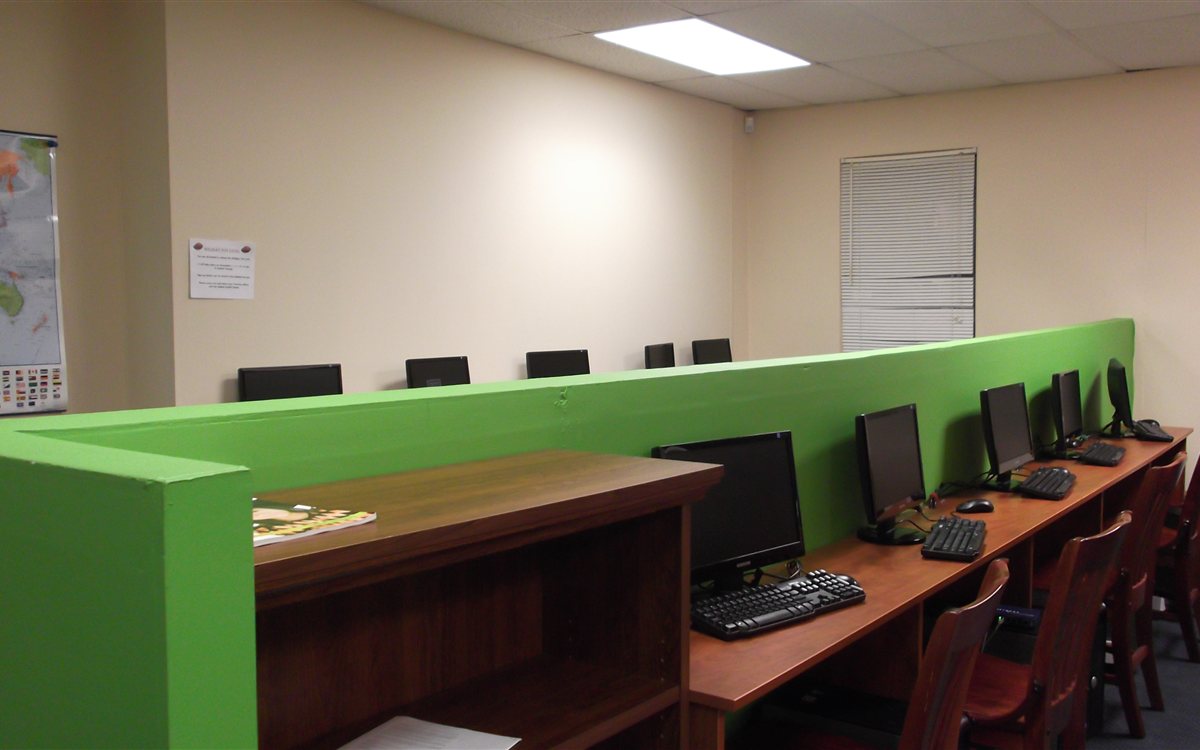
In underserved tehsils across Balochistan, southern Punjab, and northern Sindh, provincial IT boards have paired the curriculum launch with solar-backed micro-labs equipped with twenty thin-client workstations per school. District monitoring teams verified power backup readiness and spare peripheral stocks before clearing the first batch of rural campuses for Monday morning classes.
Parents and school management committees welcomed the emphasis on digital citizenship and cyber hygiene modules, which teach adolescents how to protect personal credentials, recognize phishing links, and evaluate viral claims responsibly. Local headteachers noted that practical workshops involving real-world scenarios resonated far more strongly with teenagers than abstract textbook rules.
Assessment boards confirmed that practical lab portfolios will account for forty percent of term marks starting next spring, encouraging regular hands-on practice rather than last-minute rote cramming before annual exams. Provincial examiners are currently finalizing standardized rubric checklists so grading stays consistent between urban magnet schools and rural high schools.
Technology industry associations praised the rollout as an essential pipeline builder for Pakistan’s growing software and e-commerce sectors, noting that early familiarity with structured data tools prepares graduates for both vocational diplomas and university engineering tracks.
Education planners indicated that a second expansion phase targeting an additional two thousand middle schools is scheduled for review after midterm proficiency evaluations conclude in January.